
HS-PS1-7
High School Science · Next Generation Science Standards · 2013
The Standard
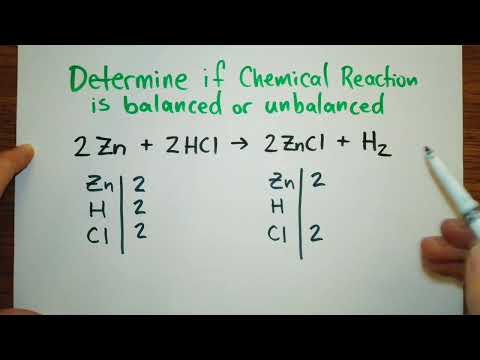
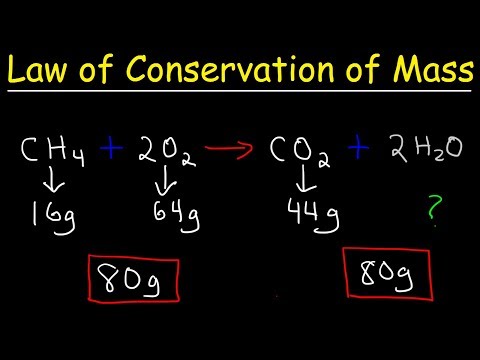
Use mathematical representations to support the claim that atoms, and therefore mass, are conserved during a chemical reaction.
Standard Unwrapping
AI-generated as a starting point.Vocabulary
mathematical representationsatomsmassconservationchemical reaction
Skills
- use (mathematical representations to support a claim) #dok2
- support (claims about the conservation of atoms and mass during chemical reactions) #dok2
- analyze (data regarding atom and mass conservation in chemical reactions) #dok3
- demonstrate (conservation of matter using balanced chemical equations) #dok2
Learning Targets
- I can identify atoms and mass in a chemical reaction. #dok1
- I can define conservation of mass in the context of chemical reactions. #dok1
- I can use mathematical representations such as equations to support the claim that atoms and mass are conserved during a chemical reaction. #dok2
- I can demonstrate how balanced chemical equations show conservation of mass and atoms. #dok2
- I can analyze a chemical equation to confirm that the number and type of atoms are the same on both sides. #dok3
Big Ideas
- During a chemical reaction, atoms are rearranged but not created or destroyed, resulting in the conservation of mass.
- Balanced chemical equations model the principle that the total mass of reactants equals the total mass of products.
Essential Questions
- How does a balanced chemical equation demonstrate the conservation of mass and atoms?
- Why must the number of each type of atom be the same before and after a chemical reaction?
- What mathematical tools can be used to represent and support claims about matter conservation?
- How can we use evidence to support that atoms and mass are not lost during chemical reactions?
- What would happen if mass or atoms were not conserved in a chemical reaction?
Make a worksheet for this standard
Jax builds worksheets, study guides, and lesson materials aligned to what you're teaching. Free with a ClassJax account, no card needed.