
LS2
High School Science · Next Generation Science Standards · 2013
The Standard
Ecosystems: Interactions, Energy, and Dynamics
Standard Unwrapping
AI-generated as a starting point.Vocabulary
mathematical representationscomputational representationscarrying capacityecosystemsbiodiversitypopulationsscalesmatterenergyaerobic conditionsanaerobic conditionsorganismsmodelphotosynthesiscellular respirationbiosphereatmospherehydrospheregeospherecarbon cyclinginteractionsevidenceclaimsreasoninghuman activitiessolutionsenvironmentgroup behaviorspeciessurvivalreproduction
Skills
- use mathematical or computational representations (factors affecting carrying capacity, biodiversity, and populations) #dok2
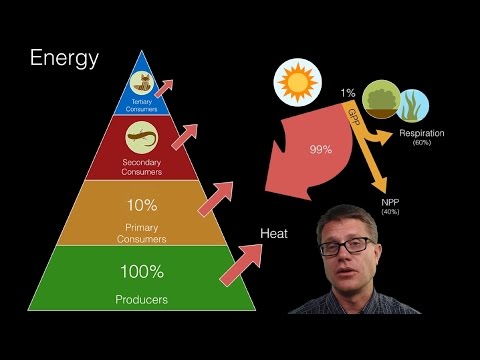
- construct and revise explanations (cycling of matter and flow of energy under aerobic and anaerobic conditions) #dok3
- develop models (roles of photosynthesis and cell respiration in carbon cycling) #dok2
- evaluate claims, evidence, and reasoning (ecosystem stability, impacts of changing conditions, impacts of group behavior on survival) #dok3
- design, evaluate, and refine solutions (reducing human impacts on environment and biodiversity) #dok4
Learning Targets
- I can identify key factors that affect the carrying capacity of ecosystems. #dok1
- I can list evidence of the cycling of matter and energy in aerobic and anaerobic conditions. #dok1
- I can describe the roles of photosynthesis and cellular respiration in carbon cycling. #dok1
- I can use mathematical or computational representations to support explanations of factors that affect ecosystem carrying capacity. #dok2
- I can develop a model to demonstrate the cycling of carbon among Earth’s spheres. #dok2
- I can use evidence to support claims about biodiversity and population changes in ecosystems. #dok2
- I can analyze data on ecosystem stability in response to environmental changes. #dok3
- I can construct and revise explanations for how matter cycles and energy flows in different environmental conditions. #dok3
- I can evaluate the evidence for the impact of group behavior on survival and reproduction of species. #dok3
- I can design and refine solutions to reduce the impacts of human activities on biodiversity and ecosystem health. #dok4
Big Ideas
- Ecosystems are dynamic systems where the flow of matter and energy and the interactions between organisms determine stability, diversity, and change.
- Human activities, environmental changes, and group behaviors impact ecosystem carrying capacity, biodiversity, and survival of species.
Essential Questions
- How do factors like resources and environmental conditions affect the carrying capacity of ecosystems at different scales?
- In what ways do matter and energy cycle within ecosystems, and how do aerobic and anaerobic conditions influence these processes?
- How do photosynthesis and cellular respiration drive the cycling of carbon among Earth’s systems?
- What evidence supports the role of group behavior in the survival and reproduction of species?
- How can we design or refine solutions to reduce the impacts of human activities on ecosystem health and biodiversity?
Make a worksheet for this standard
Jax builds worksheets, study guides, and lesson materials aligned to what you're teaching. Free with a ClassJax account, no card needed.