
HS-PS4-1
High School Science · Next Generation Science Standards · 2013
The Standard
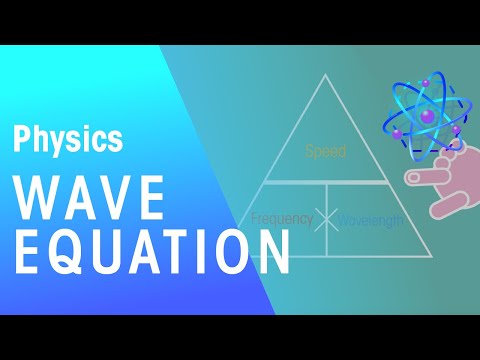
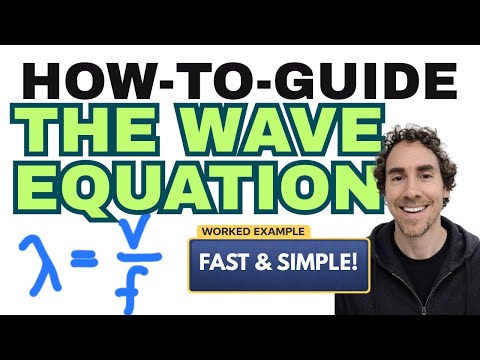
Use mathematical representations to support a claim regarding relationships among the frequency, wavelength, and speed of waves traveling in various media.
Standard Unwrapping
AI-generated as a starting point.Vocabulary
mathematical representationsclaimrelationshipsfrequencywavelengthspeed of wavesmedia
Skills
- use (mathematical representations) #dok2
- support (claims using data and representations) #dok3
- identify (relationships among frequency, wavelength, and speed) #dok1
- compare (wave properties in different media) #dok2
- analyze (how changing one variable affects others) #dok3
Learning Targets
- I can identify the frequency, wavelength, and speed of a wave. #dok1
- I can use mathematical representations to show how frequency, wavelength, and speed are related. #dok2
- I can compare the speed of waves as they travel through different media. #dok2
- I can analyze how changing the frequency or wavelength affects the speed of a wave. #dok3
- I can support a claim about wave behavior using mathematical relationships and data. #dok3
Big Ideas
- The properties of waves—frequency, wavelength, and speed—are mathematically related and determine how waves behave in different media.
- Mathematical relationships help scientists predict and explain the behavior of waves as they travel through various materials.
Essential Questions
- How are frequency, wavelength, and speed of a wave related mathematically?
- What happens to wave speed when it moves from one medium to another?
- Why do scientists use mathematical representations to study waves?
- How can changing the wavelength or frequency of a wave affect its speed?
- How can data and mathematical models be used to support claims about the behavior of waves?
Make a worksheet for this standard
Jax builds worksheets, study guides, and lesson materials aligned to what you're teaching. Free with a ClassJax account, no card needed.