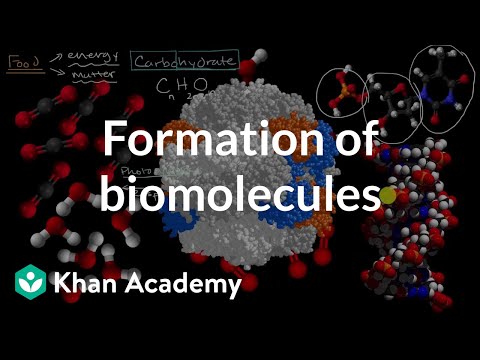

HS-LS1-6
High School Science · Next Generation Science Standards · 2013
The Standard
Construct and revise an explanation based on evidence for how carbon, hydrogen, and oxygen from sugar molecules may combine with other elements to form amino acids and/or other large carbon-based molecules.
Standard Unwrapping
AI-generated as a starting point.Vocabulary
explanationevidencecarbonhydrogenoxygensugar moleculeselementsamino acidslarge carbon-based molecules
Skills
- construct (an explanation based on evidence) #dok3
- revise (an explanation based on evidence) #dok3
- combine (carbon, hydrogen, and oxygen from sugar molecules with other elements) #dok2
- explain (how elements form amino acids and other large molecules) #dok2
Learning Targets
- I can identify the elements present in sugar molecules. #dok1
- I can list examples of large carbon-based molecules and amino acids. #dok1
- I can describe how carbon, hydrogen, and oxygen atoms can bond with other elements. #dok2
- I can explain how simple molecules are used to build larger molecules such as amino acids. #dok2
- I can construct an explanation based on evidence for how carbon, hydrogen, and oxygen from sugar molecules can be used to build amino acids and other large molecules. #dok3
- I can revise an explanation about molecular formation using new evidence from scientific investigations. #dok3
Big Ideas
- The elements found in sugar molecules (carbon, hydrogen, and oxygen) can recombine with other elements to form complex molecules such as amino acids.
- Understanding the chemical processes that rearrange elements helps explain how essential biological molecules are formed in living organisms.
Essential Questions
- How do carbon, hydrogen, and oxygen from sugar molecules become part of larger molecules in living organisms?
- What evidence supports our current understanding of how elements combine to form amino acids and other carbon-based molecules?
- Why is it important for living systems to be able to build a variety of large molecules from simpler ones?
- How does scientific evidence influence or change our explanations regarding the formation of biological molecules?
- What roles do bond formation and rearrangement of atoms play in creating new molecules essential to life?
Make a worksheet for this standard
Jax builds worksheets, study guides, and lesson materials aligned to what you're teaching. Free with a ClassJax account, no card needed.