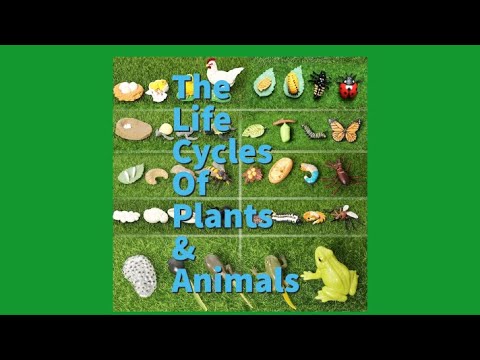

3-LS1-1
3rd Grade Science · Next Generation Science Standards · 2013
The Standard
Develop models to describe that organisms have unique and diverse life cycles but all have in common birth, growth, reproduction, and death.
Standard Unwrapping
AI-generated as a starting point.Vocabulary
modelsorganismslife cyclesbirthgrowthreproductiondeathdiversity
Skills
- develop (models that describe life cycles) #dok3
- describe (life cycles of organisms) #dok2
- identify (the stages of a life cycle: birth, growth, reproduction, death) #dok1
- compare (unique and diverse life cycles of organisms) #dok2
Learning Targets
- I can identify the basic stages in the life cycle of an organism. #dok1
- I can describe what happens during the stages of an organism's life cycle. #dok2
- I can compare life cycles of different organisms to find similarities and differences. #dok2
- I can develop a model to show the unique and diverse life cycles of organisms. #dok3
Big Ideas
- All organisms go through a life cycle with common stages: birth, growth, reproduction, and death.
- Different organisms have unique and diverse life cycles, but share similar fundamental processes.
Essential Questions
- What patterns can you find in the life cycles of different organisms?
- How are the life cycles of various plants and animals both alike and different?
- What happens during each stage of an organism’s life cycle?
- Why are birth, growth, reproduction, and death important parts of every organism’s life?
- How do models help us understand the life cycles of living things?
Make a worksheet for this standard
Jax builds worksheets, study guides, and lesson materials aligned to what you're teaching. Free with a ClassJax account, no card needed.