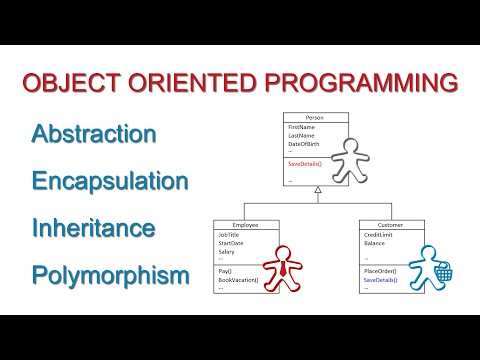

Worksheet: Fundamental Concepts of Object Oriented Programming
Comprehension worksheet generated from the video "Fundamental Concepts of Object Oriented Programming".
Worksheet: Fundamental Concepts of Object Oriented Programming
JaxDoc
Object Oriented Programming - Fundamental ConceptsComputer Science Lessonshttps://www.youtube.com/watch?v=m_MQYyJpIjg
Vocabulary
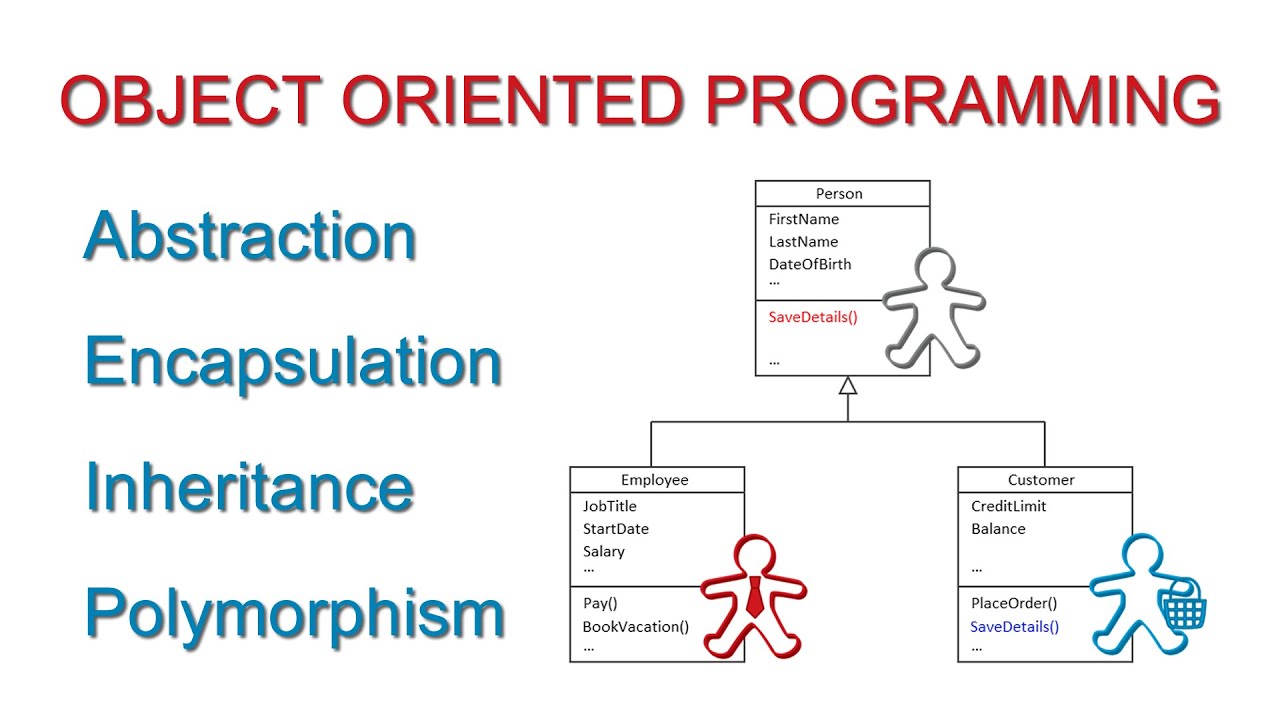
- Abstraction — To simplify reality and focus only on the data and processes relevant to the application being built.
- Class — A template for creating objects, defining their attributes (properties) and operations (methods).
- Encapsulation — Hiding the complexity of an object’s inner workings from the programs and programmers that use it, by binding data and functions together.
- Inheritance — A mechanism where a class can derive (or extend) its methods and properties from another class, forming a hierarchy of “type of” relationships.
- Polymorphism — The ability for different subclasses of the same superclass to implement a shared interface (methods/properties) in their own unique ways.
Questions
Watch the video carefully and answer the following questions based on the information presented.
1.
According to the video, what is an ‘object’ in the context of object-oriented programming? Provide two examples mentioned.
2.
The video explains ‘abstraction’ as simplifying reality. Using the example of a ‘person’ given in the video, explain how abstraction applies.
3.
What is a ‘class’ in object-oriented programming, and what two main types of components does it define for an object?
4.
Which of the following best describes ‘encapsulation’ as presented in the video?
5.
The video introduces four fundamental concepts of Object-Oriented Programming: Abstraction, Encapsulation, Inheritance, and Polymorphism. Choose two of these concepts and discuss how they contribute to making software development more efficient or manageable, based on the video’s explanations.
Want materials like this for your lessons?
Jax builds worksheets, study guides, and lesson materials for whatever you're teaching. Free to start, no card needed.