
Worksheet: Lecture 14: Data Representation in a System | Class 9th Computer Science | Unit 2: Number Systems
Comprehension worksheet generated from the video "Lecture 14: Data Representation in a System | Class 9th Computer Science | Unit 2: Number Systems".
Worksheet: Lecture 14: Data Representation in a System | Class 9th Computer Science | Unit 2: Number Systems
JaxDoc

Lecture 14 - Data Representation in Computing SystemsZoha Decodeshttps://www.youtube.com/watch?v=GknkBJVJ-5k
Vocabulary
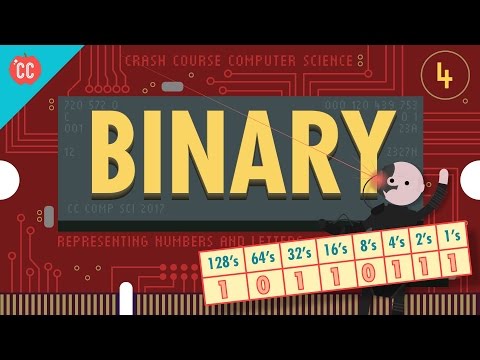
- Binary — The number system consisting of only 1s and 0s, which computers understand.
- Bits — Short for binary digits, representing the ON (1) and OFF (0) states of computer switches.
- Whole Numbers — A set of non-negative integers that include zero and all positive integers, with no decimals.
- Integers — Numbers that extend the concept of whole numbers to include negative numbers, also known as signed integers in programming.
- Two’s Complement — A method used by computers to represent and store negative numbers in binary format.
Questions
Watch the video carefully and answer the following questions.
1.
According to the video (0:09 - 0:19, 1:10 - 1:15), why do computers not store numbers the way we write them?
2.
Based on the “Table: Whole Number Storage Capacity” shown in the video (0:47 - 0:50, 4:45 - 5:15), what is the maximum value that can be stored using 1 byte for whole numbers?
3.
In the context of
signed integers, what is the purpose of the first bit, as explained in the video (8:57 - 9:27)?4.
What is the general formula for calculating the maximum value for
whole numbers in memory, as stated in the video (5:45 - 5:50)?5.
The video concludes by explaining “Why This Matters” regarding understanding how numbers are stored in computing systems (17:09 - 18:40). Discuss at least three reasons why this knowledge is important for someone involved in computer science or programming, providing a brief explanation for each reason.
Want materials like this for your lessons?
Jax builds worksheets, study guides, and lesson materials for whatever you're teaching. Free to start, no card needed.